Vintage Junk Journal Fairy Photographs: A Practical Evaluation
In the realm of mixed media art and paper crafting, digital assets serve as essential tools for creators seeking to build unique narratives without the cost of physical sourcing. Vintage Junk Journal Fairy Photographs represent a specific category of digital downloads designed to mimic the aesthetic of antique photography while providing modern convenience. These files are not merely images; they are textured, stylized assets intended to integrate seamlessly into junk journals, scrapbooks, greeting cards, and wall art. For artists and hobbyists evaluating their next purchase, understanding the technical specifications, creative applications, and limitations of these digital bundles is crucial for making an informed decision.
Defining the Product and Its Aesthetic
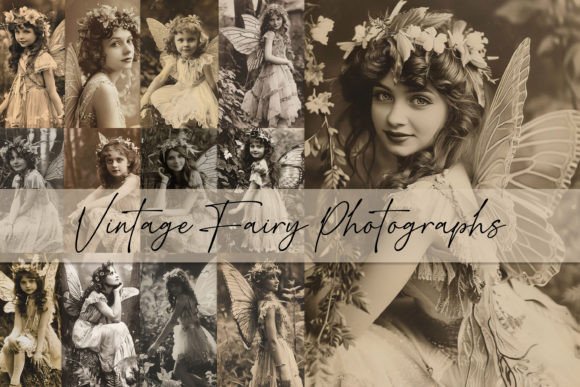
Vintage Junk Journal Fairy Photographs are digital files rendered at 300dpi in the sRGB color profile. They are created through a hybrid design process that utilizes artificial intelligence for initial concept generation followed by extensive manual editing to achieve a cohesive style. The result is a collection of faux fairy postcards that evoke a sense of nostalgia and whimsy. Unlike standard stock photos, these images are crafted to look aged, often featuring sepia tones, vignettes, or grain that suggests they were taken decades ago.
The visual language of these photographs focuses on "timeless elegance," capturing fairies in settings that blend nature with fantasy. This specific aesthetic appeals to creators working within the "shabby chic," "steampunk," or "cottagecore" genres. The primary value proposition lies in the ability to instantly access high-quality, themed imagery that would otherwise require hours of scanning physical ephemera or complex photo manipulation skills to replicate.
Reasons to Consider This Digital Bundle
Several factors make this type of digital asset a strong contender for various creative projects:
- Cost Efficiency: Purchasing a bundle of high-resolution digital files is significantly more affordable than hunting for original vintage postcards at estate sales or flea markets, where prices can be prohibitive and authenticity varies.
- Consistency of Style: Because the images are curated and edited by a single creator, they share a unified visual language. This ensures that when multiple images are used in a single layout, such as a scrapbook page or a series of greeting cards, the composition remains harmonious.
- Technical Readiness: The files are provided at 300dpi, which is the industry standard for high-quality printing. This specification allows users to print at larger sizes without pixelation, making them suitable for both small journal embellishments and larger wall art prints.
- Customization Potential: As digital files, these images can be further manipulated. Creators can crop, adjust brightness, add overlays, or combine them with other textures to suit specific project requirements.
Benefits and Tradeoffs in Creative Application
While the benefits of using Vintage Junk Journal Fairy Photographs are clear, potential buyers must weigh them against certain tradeoffs. The primary benefit is the immediate availability of a specialized theme. However, the tradeoff is the lack of physical texture. In junk journaling, the tactile experience of rough paper, torn edges, and actual ink stains is paramount. Digital prints will always appear smoother than genuine vintage ephemera unless the user applies additional distressing techniques after printing.
Another consideration is the color profile. The files are rendered in sRGB, which is optimized for web viewing and standard home printers. While this works well for most consumer-grade devices, professional archival printing may require CMYK profiles for color accuracy. Users relying on professional print services should verify compatibility before committing to large-scale production runs.
Furthermore, the use of AI in the creation process introduces a layer of ethical and stylistic evaluation. Some purists in the art community prefer hand-drawn or purely photographed elements. While the creator notes that the images undergo extensive manual editing to ensure quality and uniqueness, buyers who strictly avoid AI-generated content should consider this aspect of the production workflow.
Situations Where This Product is a Strong Fit
This digital bundle aligns best with specific types of projects and user needs:
- Digital Scrapbooking: For those creating layouts entirely on software like Photoshop or Canva, these high-resolution files offer immediate utility without the need for scanning.
- Home Printing Projects: Individuals with access to decent weight matte coated or quick-dry glossy photo paper can produce vibrant results at home. The recommendation for specific paper types indicates that the images are optimized for consumer printing environments.
- Commercial Crafters: Artists selling handmade greeting cards or small printables may find the consistent quality and licensing terms (assuming personal or commercial use rights are included) beneficial for scaling production.
- Educational Illustrations: Teachers or illustrators looking for whimsical, non-threatening imagery for children's books or educational materials may appreciate the "fairy tale" aesthetic.
When Alternatives May Be Worth Considering
Despite their versatility, Vintage Junk Journal Fairy Photographs may not be the optimal choice for every scenario. If a project demands absolute historical authenticity—such as a museum exhibit or a reproduction of a specific historical period—digitally generated faux-vintage images may lack the necessary provenance and subtle imperfections of genuine artifacts.
Additionally, if the final output requires extreme durability or exposure to harsh environmental conditions, printed digital files might degrade faster than original archival materials. In cases where the budget allows for significant investment, sourcing original vintage postcards from reputable collectors could yield superior textural depth and historical value.
Finally, users seeking highly customizable base layers for advanced compositing might find that pre-stylized images limit their creative freedom. In such instances, purchasing raw, unedited vintage photographs or vector illustrations might provide more flexibility for heavy modification.
Practical Decision-Making Insights
To determine if this product aligns with your goals, evaluate your workflow and end-use requirements. First, assess your printing capabilities. Since the creator recommends specific paper types to achieve a vibrant finish, ensure you have access to the necessary hardware and consumables. Printing on standard copy paper will likely result in muted colors and poor opacity, diminishing the perceived value of the download.
Second, consider the scope of your project. If you are creating a single card, the cost-per-image ratio is favorable. However, if you are producing a large volume of identical items, calculate the total cost including paper and ink to ensure it remains economical compared to bulk ordering pre-printed ephemera.
Lastly, review the license agreement carefully. Digital purchases often come with restrictions regarding resale of the raw files versus the finished product. Understanding whether you can sell items created with these images is essential for commercial crafters. By balancing the aesthetic appeal of the Vintage Junk Journal Fairy Photographs with these practical constraints, you can decide if this resource effectively supports your creative vision.